100% Community Owned • €3M+ Projected to Local Charities
Volunteer Lead • 100% of Profits Stay in the Community
The Community Difference
This is Community’s Project,
run by community volunteer technical experts.
Every Kerry shareholder will have a vote. Every euro of surplus is awarded to Kerry charities and community groups.
€
3M+Projected Community Support
Returned to Kerry charities over 25 years and if you hold shares, you’re an owner, not just an investor. If you live in Kerry and hold a share, you have a vote.
Built by volunteer technical experts. Backed by a growing community of shareholders.
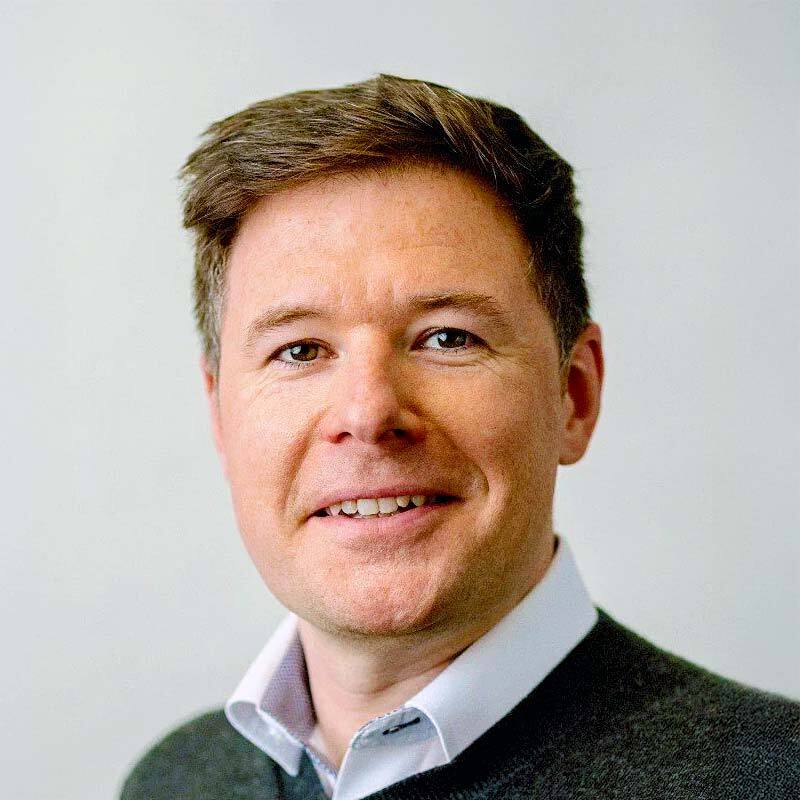
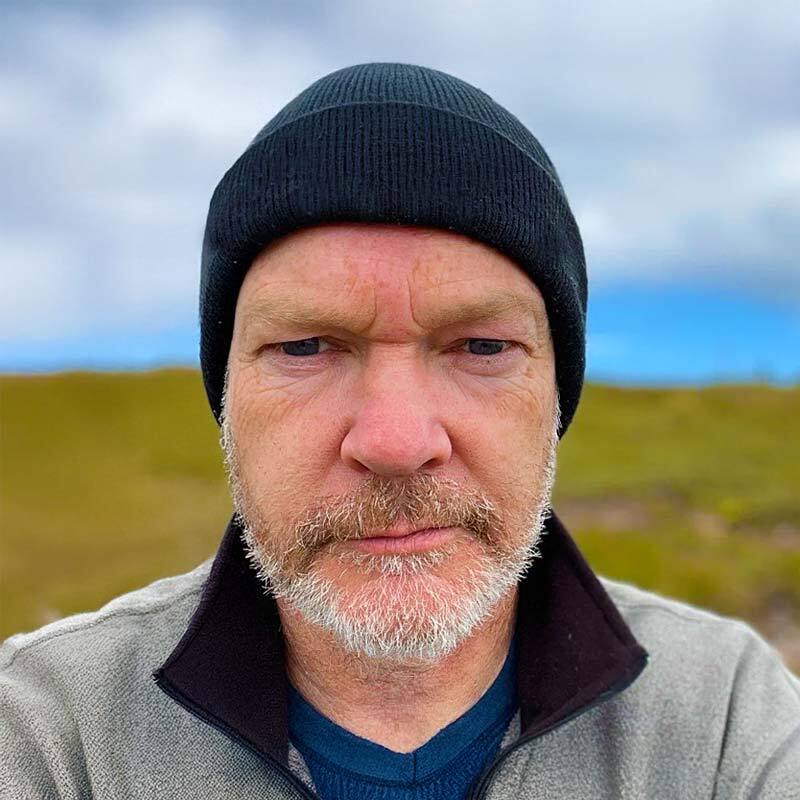
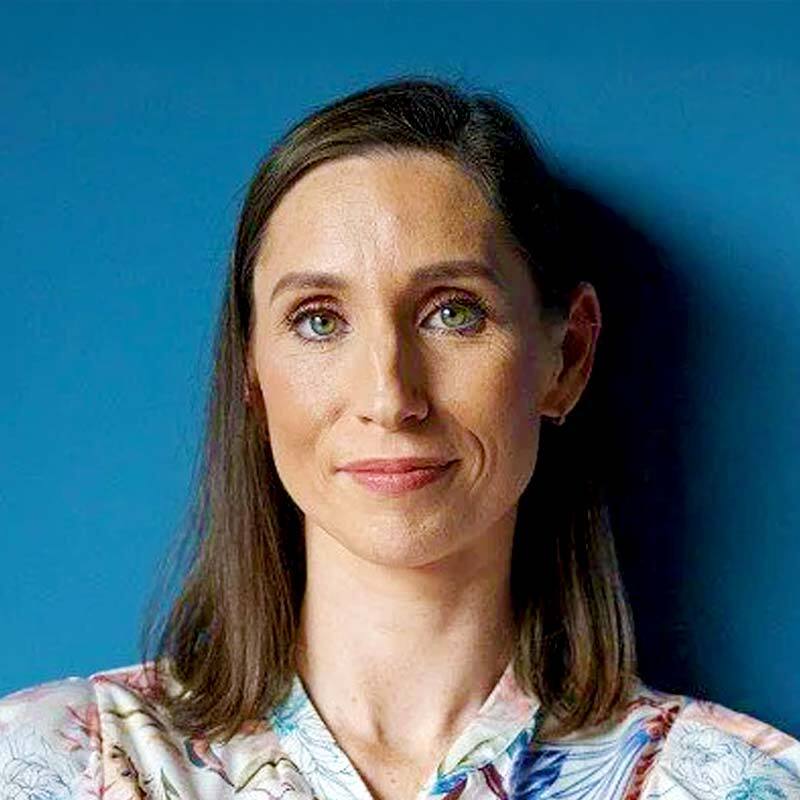
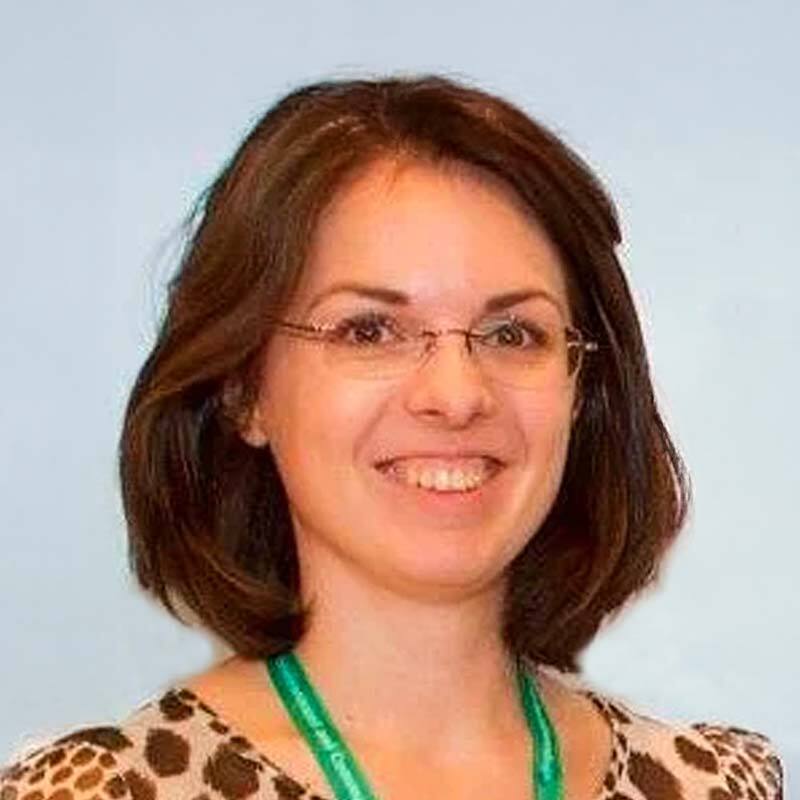
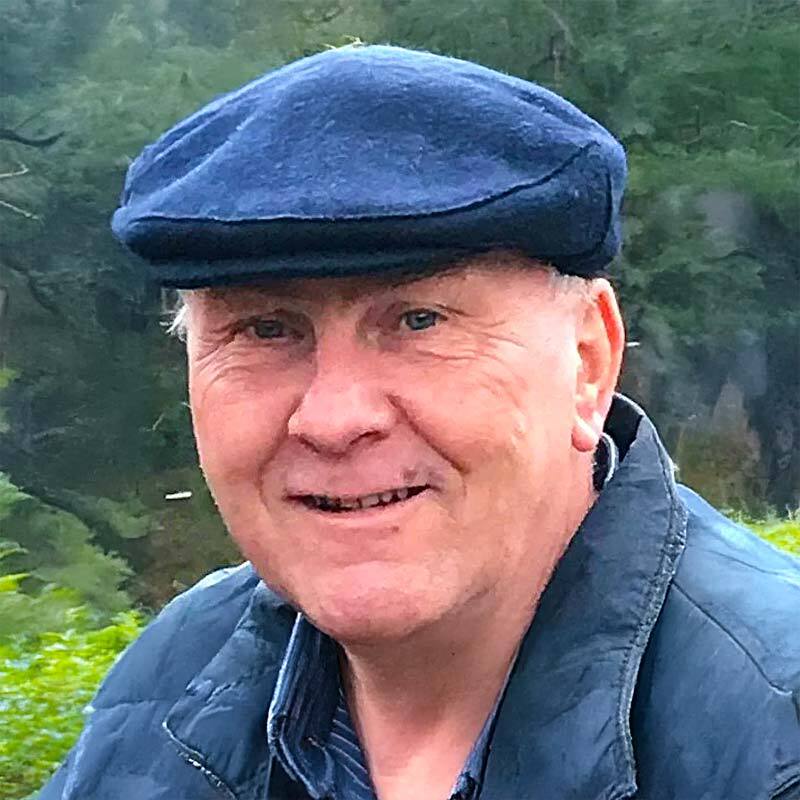
Brighter Kerry is steered by five local people, giving their own time so more of every euro reaches the causes it’s meant for.
A €10,000 investment in this solar farm costs you €5,000. Income tax relief covers the other half. Hold your shares for five years and you get your full capital back plus a 12.5% uplift, an illustrative return of around 23% a year.
The Site
Full planning permission.
A signed grid offer.
A fixed price for 15 years.
The farm sits on an 11-hectare site at Kilcummin, 6km north of Killarney. Planning permission is granted in full, for 25 years. The connection is secured with ESB Networks, close to a major substation, which takes a large piece of technical and financial risk off the table before a single panel goes up. The electricity price is fixed with the government for 15 years through the SRESS scheme. A term sheet is already in place with a leading EIIS fund, and individuals can now co-invest alongside it.
National Landmark
Breaking Through Ireland’s Renewable Bottleneck
Ireland’s Climate Action Plan sets an ambitious target of 500 MW of community-owned renewable energy by 2030, yet national progress currently sits at under 1% of that goal. By comparison, the UK has established over 600 community energy organisations generating 400 MW of power.
Brighter Kerry is Ireland’s first community solar project of its scale to successfully navigate and overcome grid connection, planning, financing and tariff barriers, setting the blueprint for energy democracy nationwide.
Work out your own figures
Put your
own number in.
Set the amount, choose what you want to do at the end of the hold, then pick the rate of income tax you actually pay.
€
Type an amount or drag the slider
€5000 minimum
€1,000,000 maximum
What you do at the end of the hold
Rate of income tax you pay
Nearly every EIIS advertisement quotes the higher rate figure without saying so. At the standard rate the relief is worth half as much, and it is better to know that now.
Your figures
You invest
€10,000
Income tax relief
€5,000
What it really costs you
€5,000
You hold the shares for
Five years
Your capital returned
€10,000
Exit bonus is shown at 12.5% after 5 years
€1,250
Tax relief received at the start
€5,000
Total value across the investment
(including your tax relief)
€16,250
Dividend each year, from year five
€440
Dividends over fifteen years, before tax
€6,600
Your capital repaid
plus 12.5% bonus
€11,250
Tax relief received at the start
€5,000
Total value across the investment
(including your tax relief)
€22,850
100% Community Impact
Your investment helps generate clean power for 1,800 homes while returning €3M+ directly to local Kerry charities over the project lifetime.
Illustration, not a forecast. The exit bonus is shown at 12.5% after 5 years and the dividend at a target of 4.4% a year. Neither is guaranteed. Dividends are taxable in your hands. Repaid capital is your own money back and is not taxed again. Tax relief is based on your investment amount and the income tax rate you select, and is claimed through your own tax return; it is not paid to you as part of the investment itself. Your capital is at risk and you could get back less than you put in.
Look Closer
Four places
to go next.
Same project, four angles: the numbers,
the scheme, the site, and the paperwork.
Common Questions
Frequently Asked Questions
The questions accountants and investors ask first, answered plainly.
What's the minimum investment?
For phase 1 the minimum is €5,000. We hope for phase 2 the minimum will be €500. There’s no upper limit, and the same relief and return structure applies whatever amount you invest above that. The maximum annual limit for EIIS is €1m. The same applies to the amount you invest.
How does the tax relief actually work?
Under EIIS, you claim income tax relief on the amount you invest, up to 50% at the higher rate, in the tax year you invest. It reduces your income tax bill directly, it isn’t a deduction against future gains.
Can I lose the relief once I've claimed it?
Yes, if the conditions attached to EIIS aren’t met, most commonly by selling your shares before the minimum holding period ends. This is known as clawback. The full conditions are set out in the information memorandum, and we’d always recommend checking your own position with your accountant before investing.
What happens if I need my money back early?
This is a five-year commitment, and early withdrawal isn’t part of the structure. Treat this as capital you won’t need access to before the hold period ends.
Who actually controls the project?
The project is run by a board of directors elected by the Shareholders. Day to day operations will be run on contract by a team of experienced engineers and maintenace workers appointed by the board.
What's actually guaranteed here, and what isn't?
Planning permission, the grid connection, and the 15-year SRESS electricity price are all signed and in place. The exit uplift and dividend figures shown in the calculator are illustrative targets, not guarantees, and your capital is at risk throughout.
How do I actually invest?
Request the information memorandum, review it with your own advisor, and complete the application form referenced in it. We have appointed accountancy and advisory practice AAB to help with the process and they are available to answer any questions.
How does the €3M+ charity funding work, and who decides where it goes?
Our plan is that each year the board will nominate a list of possible recipients operating in Kerry. Shareholders will vote to indicate their preference from this list. The available funding will be divided according to shareholders wishes. This means that in effect you decide where the profits from your little piece of the solar farm go each year.
Is Brighter Kerry a private commercial enterprise or a true community project?
Both, and deliberately so. Brighter Kerry is structured as a DAC or Designated Activity Company, which is what makes it eligible for EIIS investment and gives investors normal shareholder protections. At the same time, it operates as a Renewable Energy Community: governance and voting control sit with Kerry-based shareholders, the project has been built with pro bono legal, financial and technical support from local professionals to keep overheads low, and profit surplus after investor returns goes to Kerry charities rather than to any individual. The commercial structure is what makes the investment work. The community governance is what the commercial structure exists to serve.
Why is this project described as a national pioneer for Ireland?
While Ireland’s Climate Action Plan targets 500 MW of community-owned energy by 2030, national progress currently sits at under 1%. Brighter Kerry is the first project of its scale in Ireland to successfully clear grid connection, planning permission, and government SRESS tariff hurdles.
Why is there a minimum investment?
To comply with all of the various regulations signing up shareholders and keeping them informed over many years costs quite a bit. We want to ensure that the costs don’t outweigh the monies invested. In 2026 our minimum investment is €5000. In 2027 we hope to reduce our overheads even more so we can make the minimum investment €500.
 Splash